Evidence-based response
6 Surprising Signs You Need Probiotics in 2026: Benefits, Limits, and Red Flags
Common symptoms do not prove your body needs probiotics. Evidence is strain-specific, condition-specific, and much narrower than probiotic marketing suggests.
By Sandra McKenzy, Pharmacist · 2026-06-11
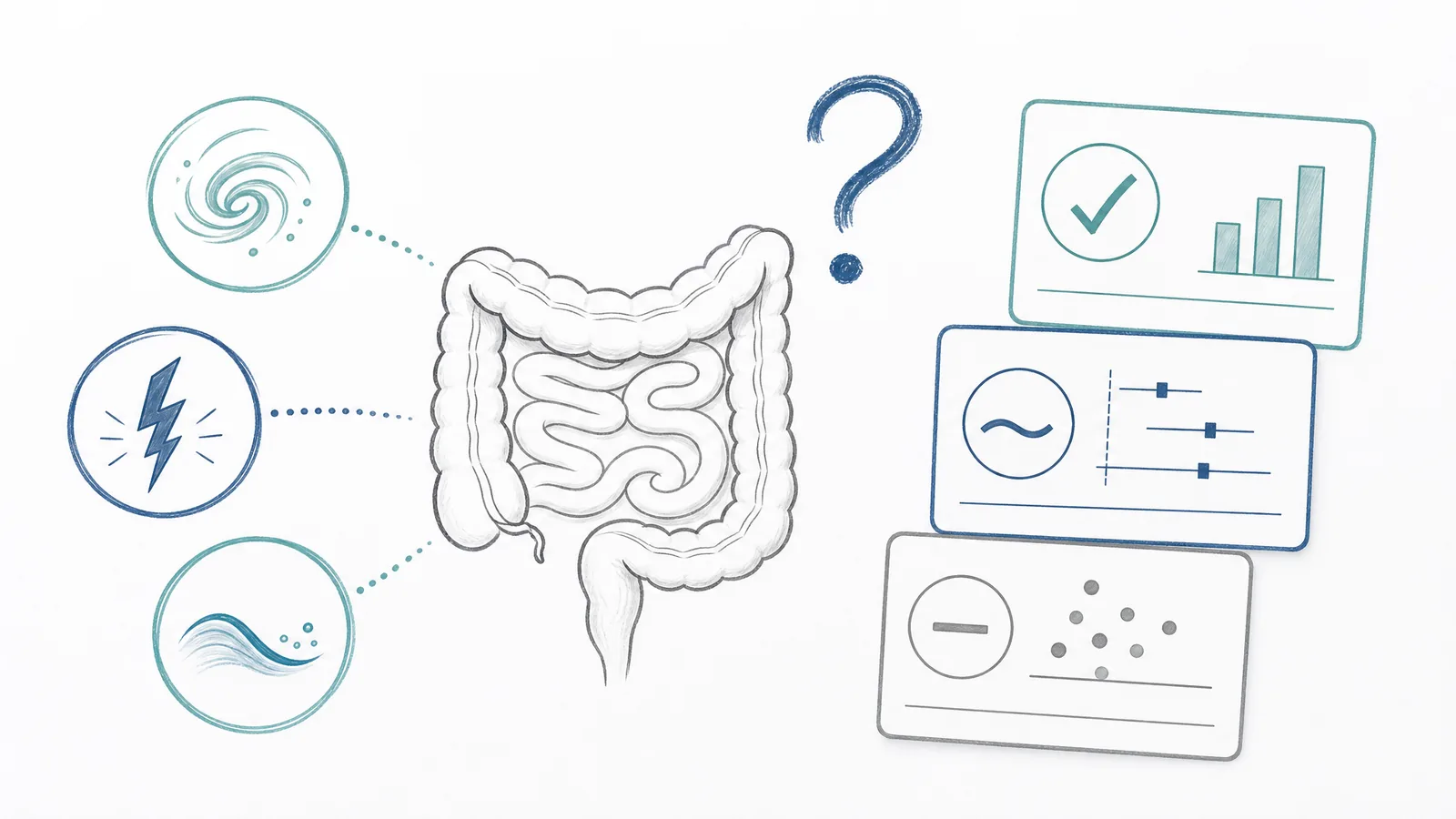
Short answer: There is no reliable symptom checklist that proves your body needs probiotics. Bloating, constipation, diarrhea after antibiotics and some IBS symptoms can sometimes improve with specific probiotic strains, but fatigue, sugar cravings, skin flares, brain fog or frequent colds do not automatically mean you are probiotic-deficient. Probiotics are strain-specific tools, not a universal gut-health refill.
The popular idea is simple: if your gut feels off, your microbiome must be imbalanced, so you need probiotics. The science is more careful. A probiotic is a live microorganism that, in an adequate amount, has shown a health benefit for the host. That definition matters because it does not apply to every fermented food, every capsule, or every vague wellness promise. It also does not mean that ordinary symptoms can identify which strain, dose or duration a person needs.
What are the real signs your body might need probiotics?
The honest answer is that symptoms can raise a question, but they cannot diagnose a need. The clearest situations are not mystical body signals. They are defined clinical contexts where certain probiotic products have evidence. Examples include prevention of antibiotic-associated diarrhea in some groups, selected irritable bowel syndrome symptoms with specific strains, pouchitis in some guideline contexts, and carefully defined pediatric uses. Even there, the evidence is product-specific and not interchangeable.
Digestive symptoms are the most plausible reason someone considers probiotics. Bloating, altered stool pattern, urgency and abdominal discomfort can overlap with IBS or functional gastrointestinal disorders. Studies show that microbial patterns can differ in some IBS cohorts, including changes in butyrate-producing or methane-associated organisms. Some randomized trials of defined probiotic strains report symptom improvement. That supports targeted research and cautious trials, not the claim that every bloated person lacks beneficial bacteria.
Can fatigue, brain fog or sugar cravings prove you need probiotics?
No. Those symptoms are too nonspecific. Fatigue can reflect poor sleep, anemia, thyroid disease, depression, infection, inflammatory disease, under-eating, medication effects and many other causes. Brain fog and mood symptoms have active gut-brain-axis research behind them, but that does not make a consumer probiotic the default treatment. Sugar cravings are even weaker as a probiotic signal. They can be shaped by habit, sleep, stress, diet composition, appetite regulation and metabolic factors. They do not diagnose Candida overgrowth or a missing bacterial strain.
This distinction protects readers. Microbiome science is real, but real science does not turn every common symptom into a supplement indication. If a symptom is persistent, severe or new, the first question is whether it needs medical evaluation, not whether a probiotic brand has a matching marketing page.
Evidence summary
- Probiotics are defined by live organisms, adequate dose and demonstrated host benefit, not by general gut-health branding.
- Evidence is strain-specific, so one probiotic product cannot be assumed to work like another.
- Some probiotics may help antibiotic-associated diarrhea or selected IBS symptoms, but effects are not universal.
- Symptoms such as fatigue, cravings, skin flares and brain fog are not validated signs of probiotic deficiency.
- Microbiome tests can describe stool patterns, but they are not broadly validated to prescribe probiotics for vague symptoms.
Does microbiome testing tell you which probiotic to take?
Usually not with the certainty marketing suggests. A stool microbiome test can estimate the relative abundance of organisms in one sample. That can be useful for research and sometimes for clinician-supervised interpretation. But stool composition varies with diet, transit time, recent antibiotics, illness, lab method and database choices. More importantly, knowing that a taxon is low does not automatically mean that swallowing a probiotic will restore it, engraft it, or improve symptoms.
Personalized microbiome medicine is an active field. Researchers are studying responder patterns, engraftment, donor-recipient specificity and metabolic prediction. That is promising. It is not the same as saying a consumer report can reliably choose a probiotic for low energy, sugar cravings or skin symptoms. A clinically useful recommendation has to prove that the test-guided choice improves outcomes compared with usual care or a non-tested approach.
When are probiotics best supported?
The best-supported claims are narrow. Certain probiotics have evidence for reducing antibiotic-associated diarrhea risk, although results depend on population, product and baseline risk. Some defined strains or combinations can improve global IBS symptoms, bloating or stool pattern in trials, while others do not. In constipation-predominant IBS, strain-specific trials show that selected products can improve some outcomes. In recurrent or severe disease contexts, decisions should be clinician-guided because probiotics are not risk-free for every patient.
What matters is the label behind the word probiotic. Genus and species are not enough. Strain, dose, viability, formulation, trial population and outcome all matter. Lactobacillus or Bifidobacterium on a bottle does not guarantee that the product has been tested for your symptom.
What marketing gets wrong about probiotic signs
Marketing often turns correlation into diagnosis. People with gastrointestinal disorders can have microbiome differences, but that does not mean the symptom was caused by a simple lack of probiotics. Dysbiosis is a description of altered microbial ecology, not a single disease. It can be a cause, consequence or bystander. The same symptom can come from food intolerance, bile acid diarrhea, celiac disease, inflammatory bowel disease, pelvic floor dysfunction, medication, infection, stress physiology or many other factors.
Marketing also tends to flatten safety. For most healthy adults, common probiotics are low risk, but they can cause gas or bloating and may be inappropriate in severe immunosuppression, critical illness, central venous catheter use or severe intestinal barrier compromise. If someone has alarming symptoms, probiotics should not be used to postpone diagnosis.
Red flags that should not be managed with probiotics alone
- Blood in stool, black stool or unexplained anemia.
- Unintentional weight loss, fever or night sweats.
- Persistent diarrhea, dehydration or night-time bowel movements.
- Severe abdominal pain, vomiting or a swollen abdomen.
- New symptoms after age 50 or a family history of colorectal cancer or IBD.
- Immunosuppression, chemotherapy, transplant medication or serious chronic illness before starting live microbial products.
Bottom line
Probiotics can be useful, but the phrase signs your body needs probiotics is too confident. Symptoms can justify a careful conversation, a time-limited trial of a specific evidence-backed product, or medical evaluation. They cannot identify a probiotic deficiency. The best approach is boring and safer: define the symptom, rule out red flags, choose strain-specific evidence when a probiotic is reasonable, and do not treat microbiome testing as a prescription engine.
Educational disclaimer: This article is for general education only and is not medical advice. It does not diagnose dysbiosis, immune problems, IBS or probiotic need. Discuss persistent or concerning symptoms with a qualified clinician.
Evidence notes and sources
- Expert consensus document: The International Scientific Association for Probiotics and Prebiotics consensus statement on the scope and appropriate use of the term probiotic. Nature Reviews Gastroenterology & Hepatology. https://doi.org/10.1038/nrgastro.2014.66.
- AGA Clinical Practice Guidelines on the Role of Probiotics in the Management of Gastrointestinal Disorders. Gastroenterology. https://doi.org/10.1053/j.gastro.2020.05.059.
- World Gastroenterology Organisation global guidelines: probiotics and prebiotics update. Journal of Clinical Gastroenterology. https://doi.org/10.1097/MCG.0000000000001889.
- Effect of Lacticaseibacillus rhamnosus IDCC 3201 on irritable bowel syndrome with constipation: a randomized, double-blind, and placebo-controlled trial. Scientific Reports. https://doi.org/10.1038/s41598-024-72887-x.
- Small intestinal microbial dysbiosis underlies symptoms associated with functional gastrointestinal disorders. Nature Communications. https://doi.org/10.1038/s41467-019-09964-7.
- Reduction of butyrate- and methane-producing microorganisms in patients with Irritable Bowel Syndrome. Scientific Reports. https://doi.org/10.1038/srep12693.
- Utilization of the microbiome in personalized medicine. Nature Reviews Microbiology. https://doi.org/10.1038/s41579-023-00998-9.
- Donor-recipient specificity and age-dependency in fecal microbiota therapy and probiotic resolution of gastrointestinal symptoms. npj Biofilms and Microbiomes. https://doi.org/10.1038/s41522-023-00421-4.