Evidence-based response
Boost Mood & Energy with Fermented Foods: Evidence-Based Answer Without the Hype
Fermented foods can support gut ecology and may influence immune or stress pathways, but they are not proven mood or energy treatments and stool tests cannot personalize those effects.
By Sandra McKenzy, Pharmacist · 2026-05-27
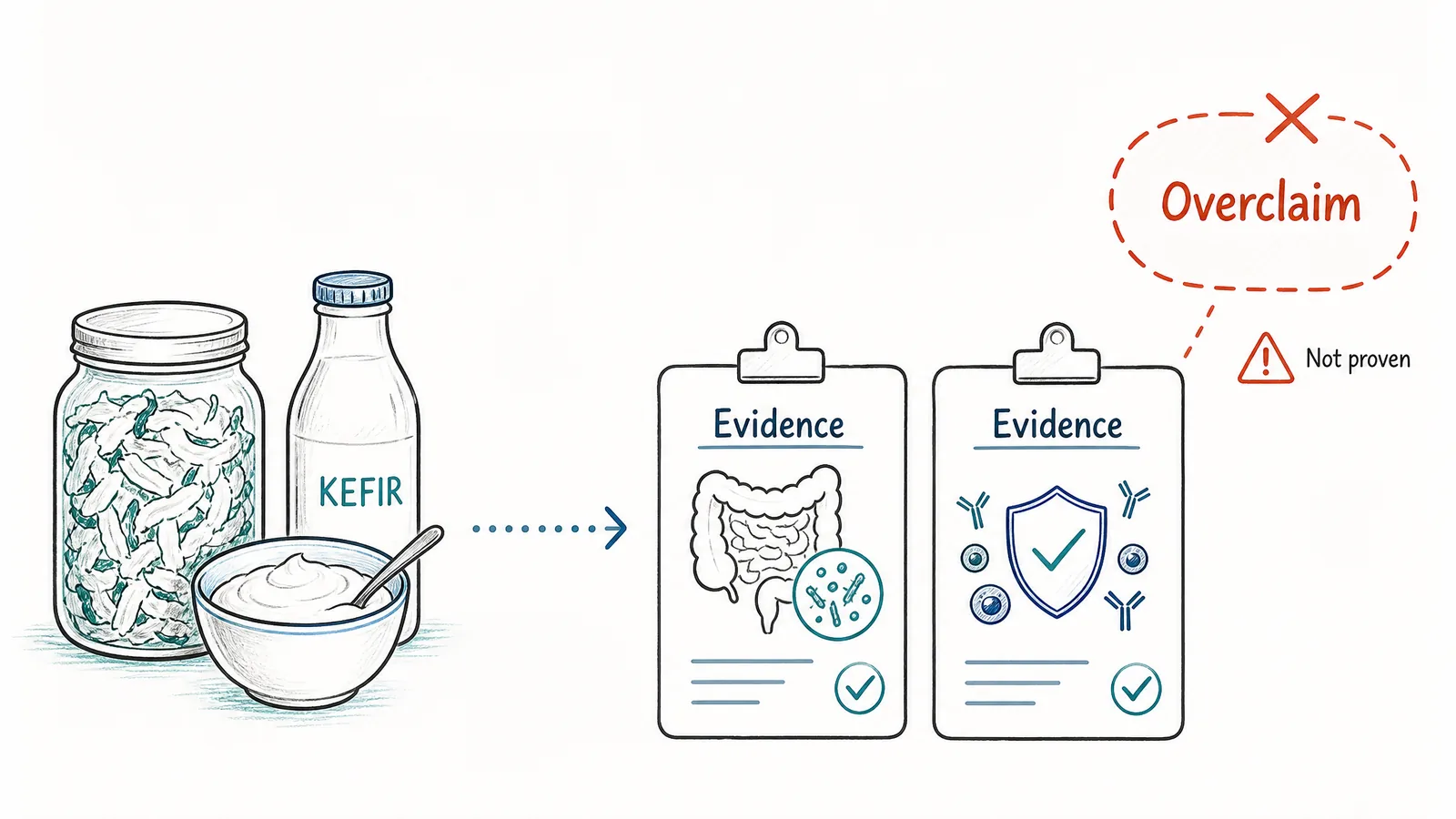
Short answer: Fermented foods such as yogurt, kefir, kimchi, sauerkraut, miso, and kombucha can be reasonable parts of a gut-supportive diet. Some human studies suggest fermented-food or psychobiotic diet patterns can affect microbiome diversity, inflammation markers, or perceived stress. But the evidence does not prove that fermented foods reliably boost mood and energy, treat depression, or become personalized mental-health advice through a consumer stool test.
Can fermented foods improve mood and energy?
The honest answer is: possibly for some people, but not predictably enough to call it a treatment. Fermented foods can contain live microbes, microbial metabolites, and food compounds changed by fermentation. These may interact with digestion, immune signaling, and the gut-brain axis. That is biologically plausible.
What is less certain is the marketing jump from plausibility to a guaranteed mood or energy benefit. Mood, fatigue, and motivation are influenced by sleep, iron status, thyroid disease, depression, anxiety, medications, alcohol, infection, pain, and many other factors. Fermented foods do not override those causes.
What does the gut-brain axis actually mean?
The gut-brain axis is a real communication system linking the intestine, immune system, endocrine signals, microbial metabolites, vagus nerve pathways, and the brain. It does not mean gut bacteria simply produce happiness on demand. Most serotonin in the body is made in the gut, but gut serotonin is not the same as a direct serotonin boost inside the brain.
Research on probiotics, prebiotics, fermented foods, and broader psychobiotic diets is promising, especially for stress biology and depressive symptoms in selected trial settings. The effects are not uniform, and many studies test specific strains, supplements, or structured diet programs rather than ordinary servings of fermented food.
What is best supported?
- Fermented foods are a diverse food category, not one standardized intervention.
- Human trials suggest high-fermented-food diets can increase microbiome diversity and reduce some inflammatory markers.
- Psychobiotic diet studies show possible stress-related benefits, but mechanisms and durability remain under study.
- Probiotic trials in depression are encouraging but strain-specific and not a substitute for mental-health care.
- Consumer microbiome tests cannot reliably predict who will get mood or energy benefits from fermented foods.
Where do claims go beyond the evidence?
Claims that fermented foods “boost energy” usually rely on indirect reasoning: better digestion, B vitamins, less inflammation, or a healthier microbiome. Those mechanisms may matter, but they do not prove a noticeable energy effect in a tired person. Kombucha, kefir, yogurt, or sauerkraut should not be marketed like caffeine, antidepressants, or medical treatment.
Personalized advice from stool testing is another overreach. A stool test may describe organisms found in one sample. It cannot prove that low mood is caused by dysbiosis, identify the exact fermented food that will change symptoms, or replace clinical evaluation for depression, anxiety, anemia, sleep disorders, or chronic fatigue.
How should people use fermented foods safely?
If tolerated, start small and choose ordinary foods: plain yogurt or kefir with live cultures, fermented vegetables, miso, tempeh, or similar options. Variety matters more than chasing a single “best” product. People with histamine intolerance, severe IBS flares, immune suppression, pregnancy-related concerns, recent gastrointestinal surgery, or strictures should be more cautious and ask a clinician or dietitian.
When should mood or fatigue be checked clinically?
Seek medical or mental-health support for persistent low mood, loss of interest, panic symptoms, suicidal thoughts, unexplained weight loss, blood in stool, persistent diarrhea, fever, anemia, severe fatigue, fainting, chest pain, or symptoms that disrupt work or relationships. A fermented-food plan should not delay care.
Bottom line
Fermented foods are worth considering as part of a varied, fiber-rich diet. The science supports microbiome and immune plausibility, not a guaranteed mood-and-energy upgrade. Treat them as food first, not as a personalized psychiatric or fatigue protocol.
Evidence notes
- Wastyk et al. (2021). Gut-microbiota-targeted diets modulate human immune status. Cell. 10.1016/j.cell.2021.06.019
- Berding et al. (2023). Feed your microbes to deal with stress: a psychobiotic diet impacts microbial stability and perceived stress in a healthy adult population. Molecular Psychiatry. 10.1038/s41380-022-01817-y
- Schneider et al. (2022). Clinical, gut microbial and neural effects of a probiotic add-on therapy in depressed patients: a randomized controlled trial. Translational Psychiatry. 10.1038/s41398-022-01977-z
- Marco et al. (2021). The International Scientific Association for Probiotics and Prebiotics consensus statement on fermented foods. Nature Reviews Gastroenterology & Hepatology. 10.1038/s41575-020-00390-5
- Cryan et al. (2019). The microbiota-gut-brain axis. Physiological Reviews. 10.1152/physrev.00018.2018
- Mizuno et al. (2017). Gut microbiome as a clinical tool in gastrointestinal disease management: are we there yet? Nature Reviews Gastroenterology & Hepatology. 10.1038/nrgastro.2017.29
This article is educational and does not diagnose, treat, or replace care from a qualified clinician.